Engineering T-Level Internship
Banbury,
United Kingdom
The opportunity with GO LEAN
Join us on our mission as we make the most advanced robots, machines and software for industry and consumers. We make the world safe, efficient and electric with every LEAN MOVE® shipped to our customers.
An employee in this occupation will be introduced to design, development, integration, programming, manufacture and deployment of systems with considerations to project timescales, milestones, safety regulations, ethical issues, sustainability, cost, reliability, maintenance, and implementation.
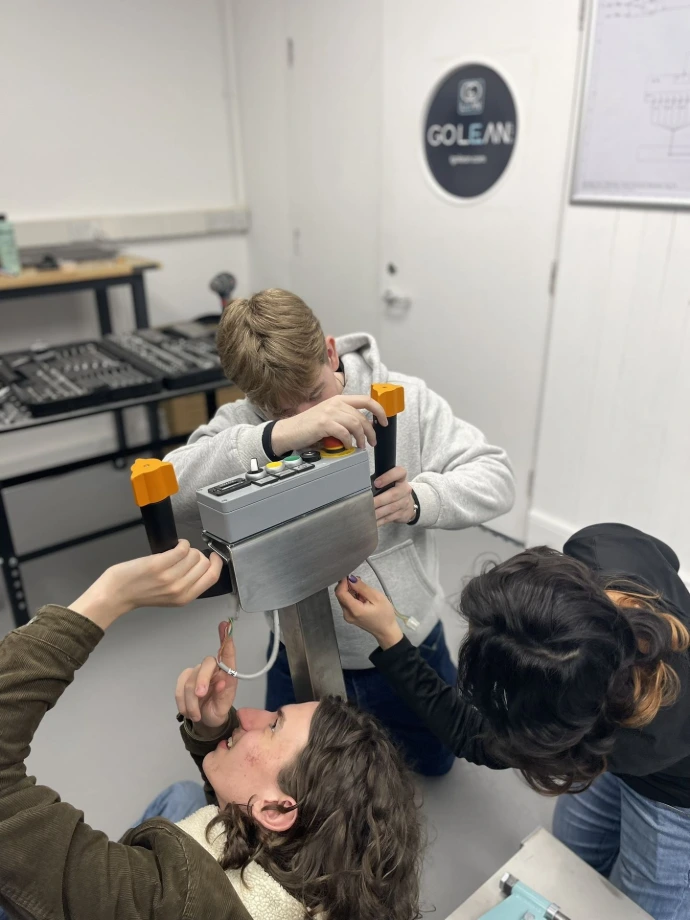
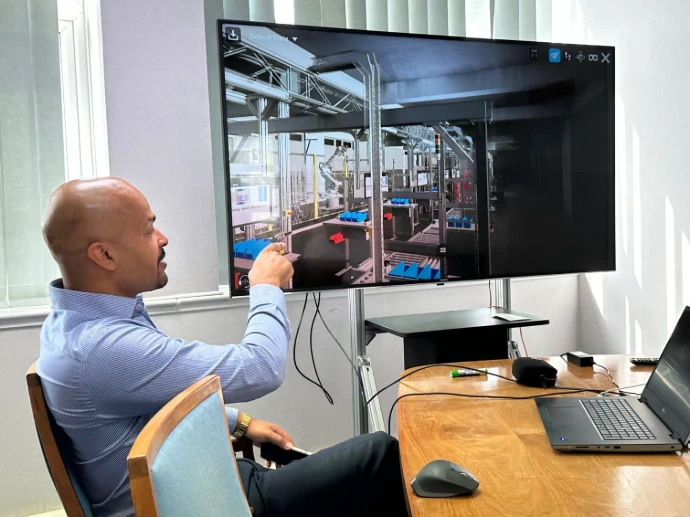
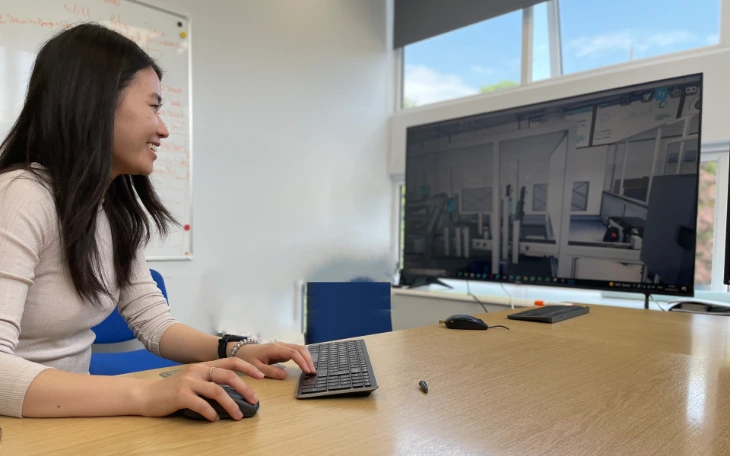
As an Engineering T-Level student on your placement with GO LEAN, you will learn to design, develop, integrate, manufacture, commission and maintain robotics systems, collaborative robotics, automation, vision systems, sensors, autonomous mobile robots AMR, remote mobile robots RMR, material handling systems, automated storage systems and humanoid robotics. You will use the latest approaches to design production lines, factories, systems and software, including CAD, virtual commissioning, simulation, digital twins and AI.
T-Level Placement details, duration and dates
Delivered in partnership with colleges
Start Dates: Year one or year two of T-Level course
Duration of Programme : Minimum 315 hours or 45 days, on average 350 hours
The structure of the placement is tailored to each student and in line with current business needs and activities.
Key elements of the placement:
- Induction
- Personal professional development roadmap
- Mentoring
- Training (Theory and on the job)
- End of placement review
Hours of work : to be agreed
T Levels are a 2-year qualification designed to give you a head start towards the career you want.
The government has developed T Levels to deliver world-class technical education and give you a new choice after GCSEs.
https://www.tlevels.gov.uk/students
Courses Applicable:
- Design and Development for Engineering and Manufacturing
- Maintenance, Installation and Repair for Engineering and Manufacturing
- Engineering, Manufacturing, Processing and Control
About us
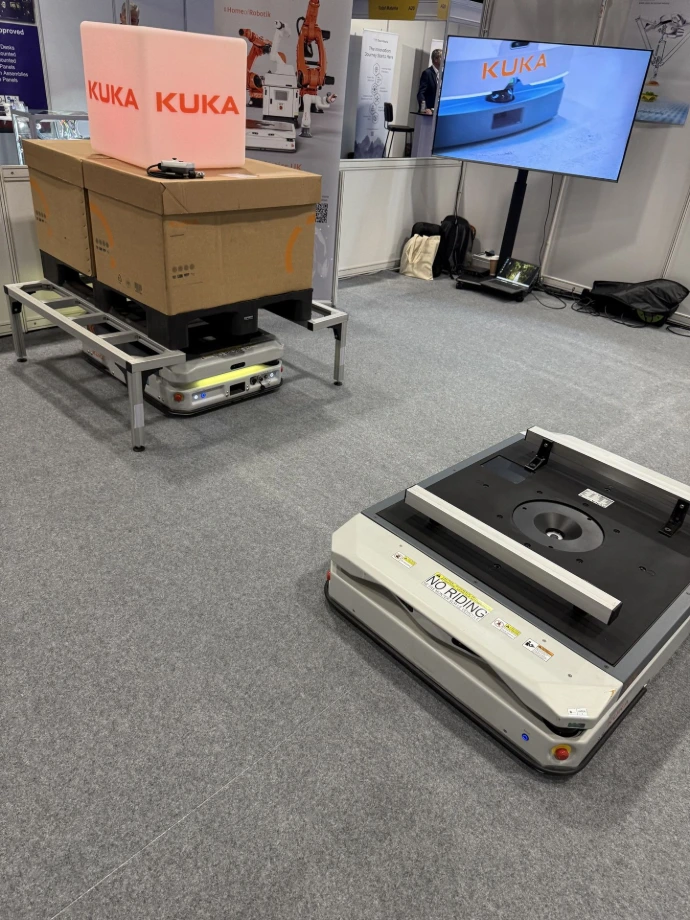
GO LEAN is a manufacturer, engineering & technology organisation in Oxfordshire. We are experts in digital transformation, and improve productivity with software, automation, robotics, and material handling solutions. We specialize in moving and lifting of components, complex and heavy loads with LEAN MOVE®. We offer standard and turnkey solutions. We integrate our partner solutions, including Siemens, Kuka, Blickle, MiR, and Universal Robots, Keyence, Balluf, NVIDIA.
The LEAN Factory™ division provides consultancy services, designs and optimises factories, applying engineering expertise, lean principles with the latest industry 4.0 and 5.0 practices including, simulation, virtual & digital twins, and artificial intelligence. We de-risk investments and have generated £millions in value for our customers.
The GO Serve™ division provides machine service, maintenance, aftermarket parts and automation optimisation services, including bowl feeders and robotics.
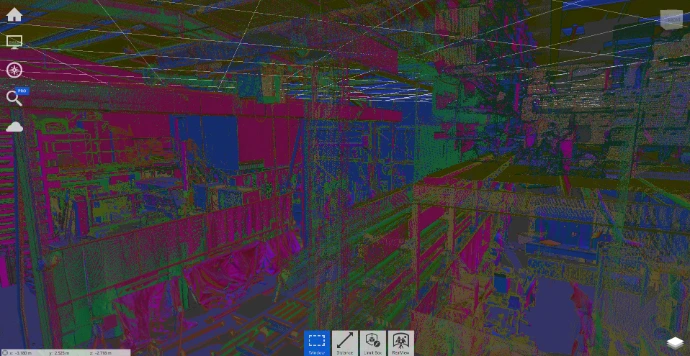
GO LEAN was founded in 2018 and celebrated its seven-year anniversary 7 December 2025. The team has grown to 5 employees, 2 new hire degree apprentices, 2 directors, 2 non-executive advisors, a placement student from Brunel University London, a number of regular engineering contractors and engineering interns. GO LEAN doubled its sales revenue 2023 and increased sales revenue four times in 2025. Over the last seven years the business has invested in product development of its material handling & lifting, automation & robotics, and software solutions, under the LEAN MOVE® brand. The LEAN Factory™ division provides consultancy services to small and medium enterprises and large corporations. The business is working on a number of exciting projects, including the transformation of a global leader in PVCU technology. This is the largest site (650,000sqft) our team has ever mapped and created a virtual reality twin and simulation of. This year we will deliver the first SEE AMR and RMR™ 5,000kg mobile robot to a biopharma customer.
This is an exciting opportunity to influence the product design and next generation of material handling, lifting & robotics solutions, and make a difference in people’s lives by making their work and environments safer, more ergonomic and sustainable, by eliminating fossil fuel powered and unsafe means of material handling.
We operate across a range of public and private sectors such as manufacturing, electronics, biopharma, chemicals, retail, healthcare, construction and transportation, all of which range in size from large to small operations.
We specify, design, build, program and test robotic systems and solutions to automate jobs in industries including manufacturing, construction, logistics, aerospace and medicine, and robots interacting with people, operating autonomously in homes, public spaces and warehouses.
Electro-mechanical engineers will normally operate with a considerable degree of autonomy and will lead teams that develop and deploy electro-mechanical systems. They work in accordance with applicable laws, regulations, standards and ethics.
You will interact with a multidisciplinary project team that can consist of process engineers, mechanical engineers, electrical engineers, software engineers, communication engineers, simulation engineers, industrial psychologists, shop floor staff, safety engineers and other key stakeholders including customers, senior management and shareholders, depending on the nature of the project. You will work in the factory, office and remote locations where the robotic systems are deployed.
Knowledge gained
- Principles of mechanical designs: material selection, manufacturing processes, robot types and configurations.
- Principles of engineering mathematics required to model electro-mechanical systems using advanced mathematical techniques.
- Principles of electronic engineering: networks, electrical and electronic circuit design.
- Control panels and programmable logic controllers
- Wiring regulations
- Principles of robotics control: kinematics, dynamics, robotics programming structure and control algorithms.
- Robot and computer program design, structure, concepts, compilers and logic, and programming languages for robotics applications.
- Principles of software engineering: object-orientated programming, software architecture, and version control.
- Principles of safety: safety standards, hazard identification, risk assessment and risk mitigation.
- Communication techniques, protocols and interface methods for the integration of systems.
- Principles of computer and machine vision for robotics applications: 3D computer vision and point clouds.
- Human Factors principles for robotics applications: ergonomics, safety design, trust, acceptance, situational awareness, and workload.
- Principles of human-robot interaction: user-centred design, human-robot interface, human-computer interaction, human-robot collaboration and robot ethics.
- Artificial intelligence and machine learning algorithms and techniques for robotics applications.
- Autonomous systems design principles and techniques: perception, decision making, locomotion, robot ethics and navigation and mapping.
- System thinking for sustainability in engineering applications: energy management, waste reduction, and circular economy around the lifecycle of a project.
- Industrial research and strategy techniques: factory planning, scheduling, processes, lean production and supply chain.
- Project management principles: planning, scheduling, budgeting, risk management and resource management.
- Communication techniques: oral, written, and presentations.
- Principles of sensors and how to select and install sensors in automation systems.
- Data analysis techniques: how to select and use measurement devices and how to interpret data.
- Critical thinking and problem-solving techniques
Skills gained
- Communicate through design models, reports, drawings, specifications, presentations, digital media and discussions.
- Seek input from others to manage relationships.
- Apply analytical and critical thinking skills for technology solutions development.
- Apply structured problem-solving techniques to systems and situations.
- Plan, lead and conduct industrial research using literature and other media.
- Design robotic processes with considerations to human factors, sustainability, efficiency, and safety through modelling and using simulation tools.
- Produce robot design at component and system level using Computer Aided Design (CAD) and robot simulation.
- Generate and present business cases to support design decisions and to illustrate potential return on investment (ROI).
- Manage the planning, budgeting and organisation of tasks, people and resources through the use of management systems, work to agreed quality standards, project programmes and budgets, within legal, contractual and statutory requirements.
- Select appropriate components and vendors for robot system development.
- Manage project risks through risk identification, assessment, mitigation, and monitoring.
- Assess robot system safety compliance through hazard identification, safety risk assessment and risk mitigation, and liaison with certified safety engineers when required.
- Generate robot programmes to perform tasks.
- Apply system engineering techniques and software development methodologies and models in robot system development.
- Develop and test robotic systems through the integration of off-the-shelf or bespoke components as appropriate.
- Evaluate the suitability of robotic systems for human-robot interaction concerning human factors, safety, and ethics.
- Install and integrate sensors and instrumentation in robotic systems.
- Perform measurements and analyse data using measurement devices and analytical software
Behaviours
- Act as a role model and advocate for health and safety across the team.
- Act in a professional and ethical manner.
- Collaborate and promote teamwork across disciplines.
- Commit to their own and support others’ professional development.
- Lead by example to promote innovation.
- Lead by example to promote accessibility, equality, diversity and inclusion.
- Adapt and show resilience to challenging or changing situations.
- Act as a role model and advocate environmental and sustainable practices.
Responsibilities
- Robotic system development
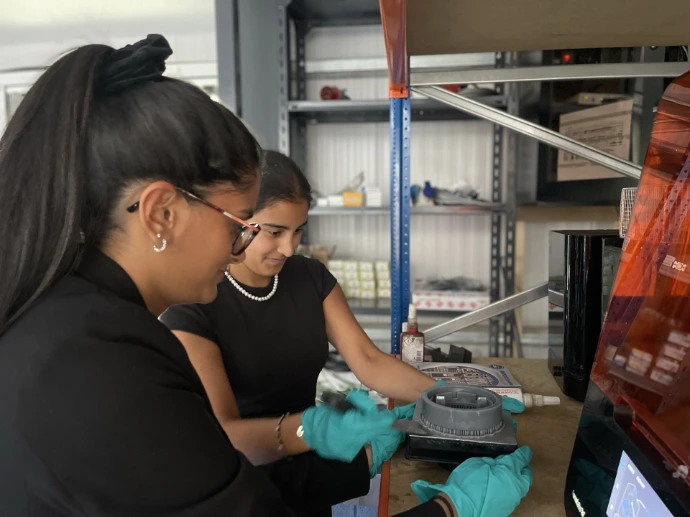
- Assembly & test of systems
- Mechanical, electrical & controls design
- System commissioning
- Vision system integration
Must Have
- Currently on a T Levels course
- Passion for software and products
- Right to work in the United Kingdom
Nice to have
- Practical
- Software development
- Analytical skills
- Mechanical skills
What's great about GO LEAN?
- Great team of smart people, in a friendly and open culture
- Develop advanced solutions
- No waste of time in enterprise politics, real responsibilities and autonomy
- Expand your knowledge
- Develop into a thought leader
- Become professionally registered
- Real responsibilities and challenges in a fast evolving company
Our Product
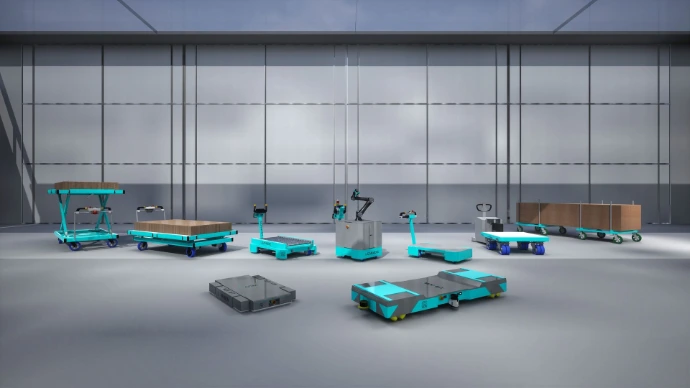
What We Offer
Each employee has a chance to see the impact of their work.
You can make a real contribution to the success of the company. We operate in an empowering leadership style, sky is the limit.
Several activities are often organised all over the year, such as weekly
sports sessions, team building, and events including Smart Manufacturing Week, the Engineering Design Show, Southern Manufacturing, Odoo, IET and IMechE events.
Perks
Some travel & accommodation costs covered.
Attractive salary package.
Training & Development
We will support your development journey to professional registration (EngTech, IEng & CEng, CMgr)
Social Activities
We play sports, hang out, engage in community action and STEM outreach.
Eat & Drink
Fruits, refreshments, teas & coffee and snacks provided.